
Fiber Industry Chain
Definition of Fiber Industry Chain

Classification of Fiber Industry Chain

EGEthylene GlycolEthylene Glycol, MEG, Ethylene Glycol chemical raw material, polyester raw material MEG, antifreeze MEG, petrochemical MEG
Ethylene Glycol (MEG, Glycol) is a colorless viscous liquid at room temperature, an important basic petrochemical raw material. About 90% is used for polyester (polyester fiber, bottle chips, films, etc.), and the rest for antifreeze, lubricants, etc.
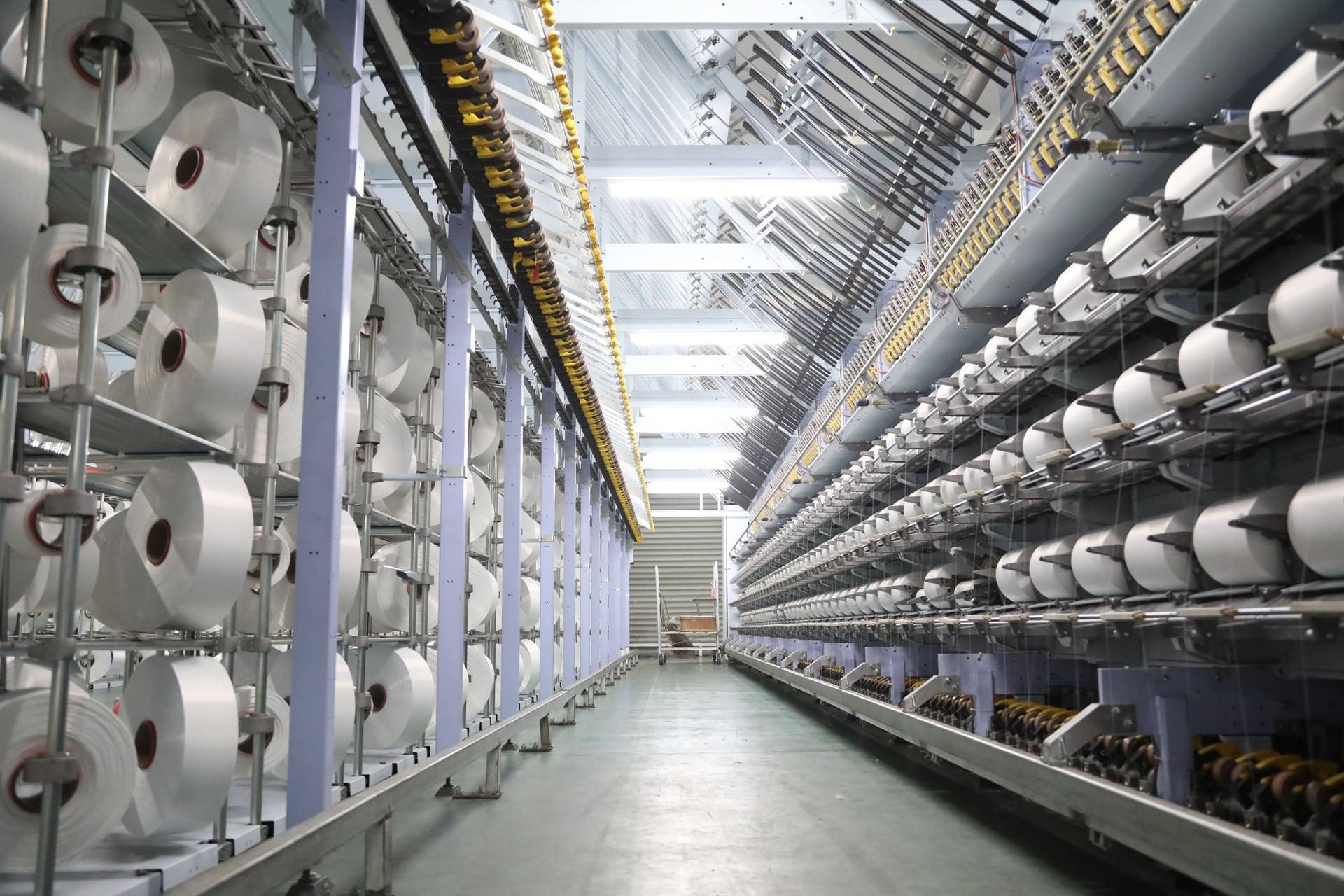
PF/PSFPolyester Filament Yarn/Polyester Staple FiberFDY, DTY, POY
Polyester Filament Yarn: Used for weaving woven and knitted fabrics, widely applied in apparel, home textiles and other fields.
Polyester Staple Fiber: Can be used for pure spinning or blended with cotton (e.g., polyester-cotton fabric) to improve fabric strength and durability.
PTAPurified Terephthalic AcidPurified Terephthalic Acid
PTA (Purified Terephthalic Acid) is a major organic chemical raw material derived from petroleum. It is the core feedstock for PET polyester. Its main downstream applications include polyester fiber, polyester bottle chips and films, serving the chemical fiber, light industry and other industries extensively.
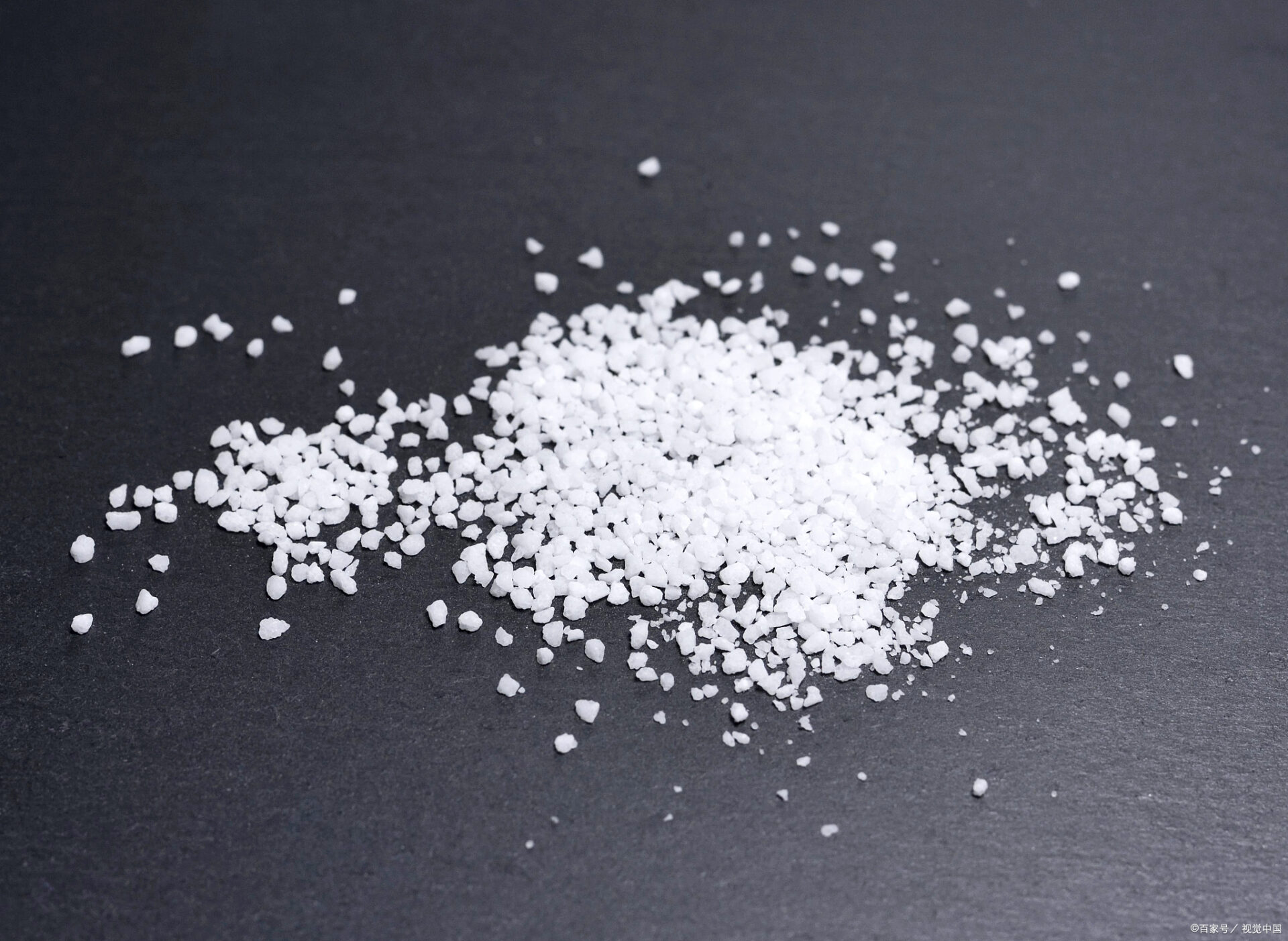
PET ChipsPolyester Chipsbright, semi-dull, full-dull, Fiber Grade, Bottle Grade, Film Grade
PET Polyester Chip is polymerized from PTA and MEG, with a rice-grain appearance. It is divided into bright, semi-dull and full-dull by gloss, and Fiber Grade, Bottle Grade and Film Grade by application.
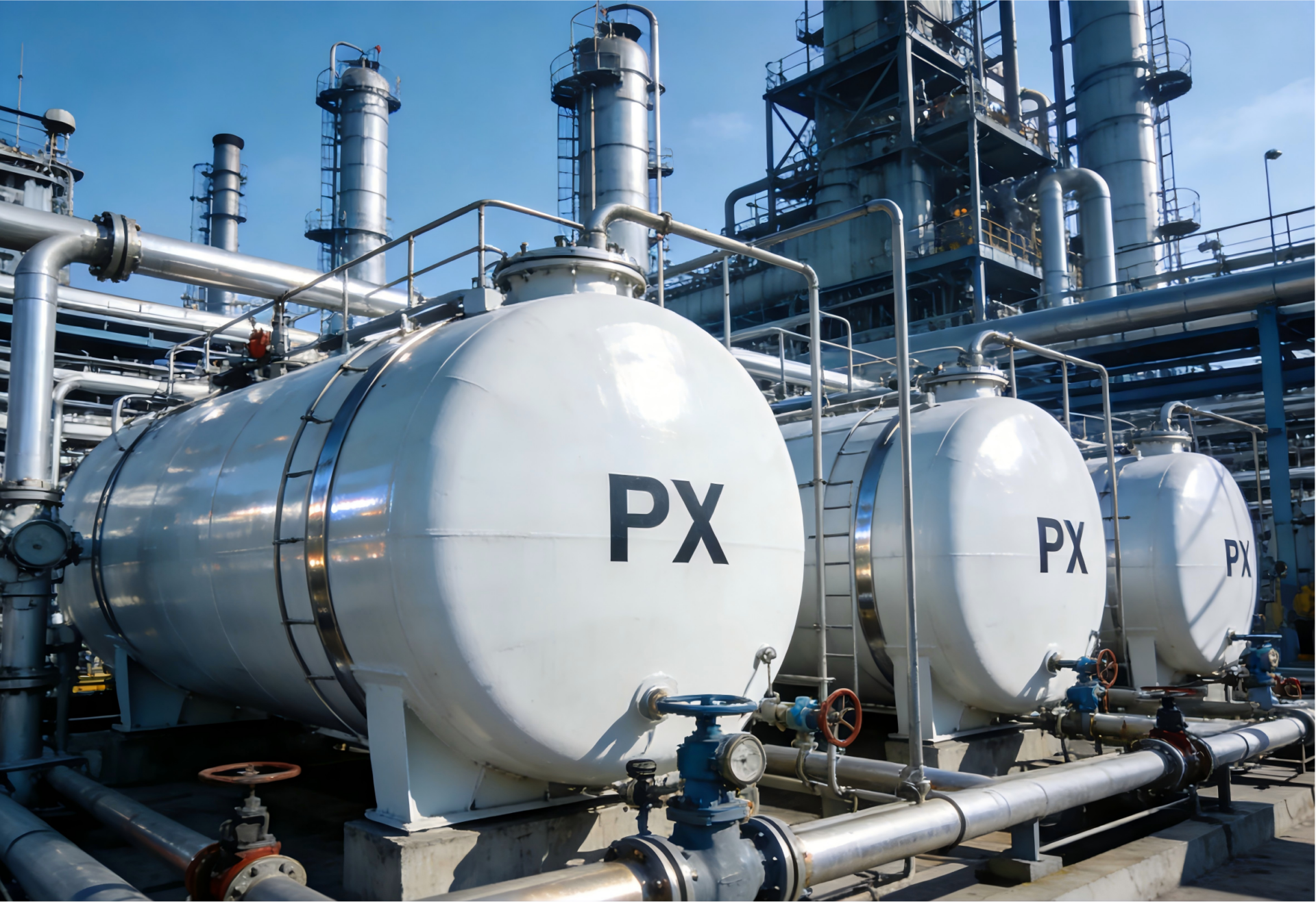
PXp-Xylene
p-Xylene (also known as para-xylene or 1,4-dimethylbenzene) is an aromatic hydrocarbon with the molecular formula C₈H₁₀ (or C₆H₄(CH₃)₂) . It is one of the three isomers of xylene, alongside ortho-xylene and meta-xylene. The “para” designation indicates that the two methyl groups are attached to opposite carbon atoms on the benzene ring (positions 1 and 4), giving it the most symmetrical molecular structure among the isomers .
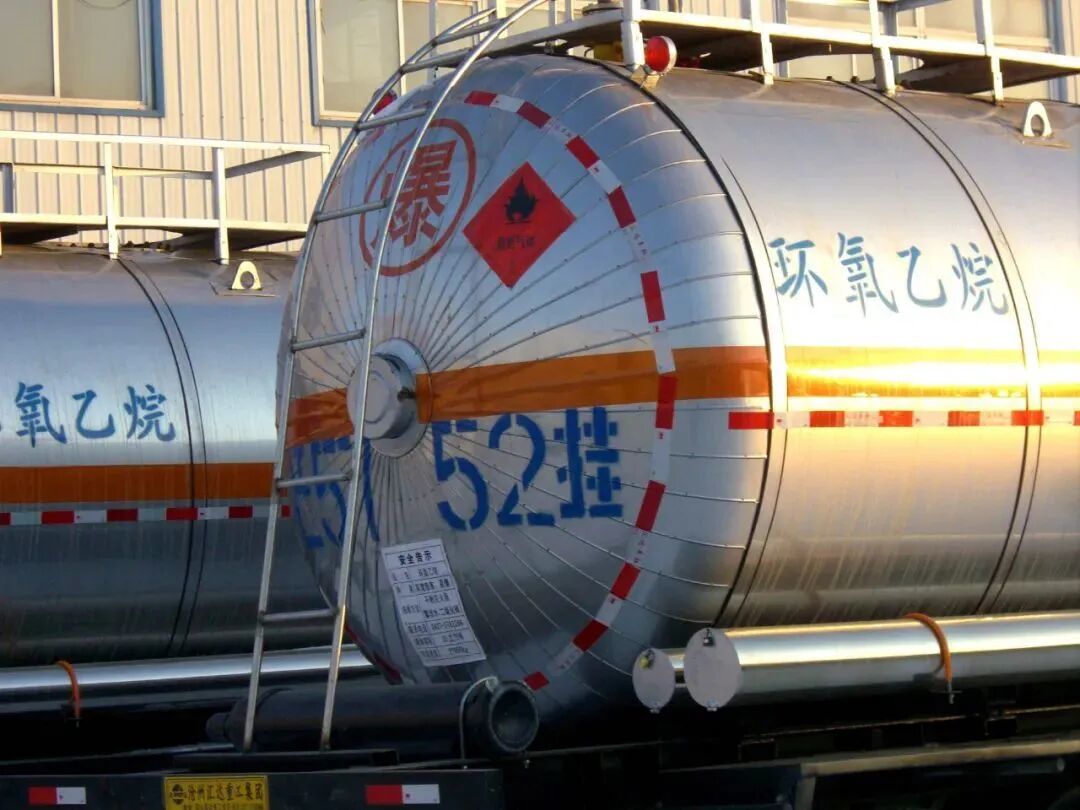
EOEthylene OxideEthylene Oxide, EO, Ethylene Oxide chemical raw material, MEG raw material, petrochemical EO, organic synthesis EO
Ethylene Oxide (EO) is a colorless flammable gas under normal temperature and pressure, and a colorless free-flowing liquid at low temperature. It has active chemical properties and is prone to ring-opening addition reactions, serving as an important petrochemical organic chemical raw material. It is mainly used to produce ethylene glycol, and also can manufacture ethanolamine, non-ionic surfactants, etc. It can also be used as a bactericidal disinfectant and grain fumigant, and is a key upstream raw material for polyester, daily chemical and other industries.
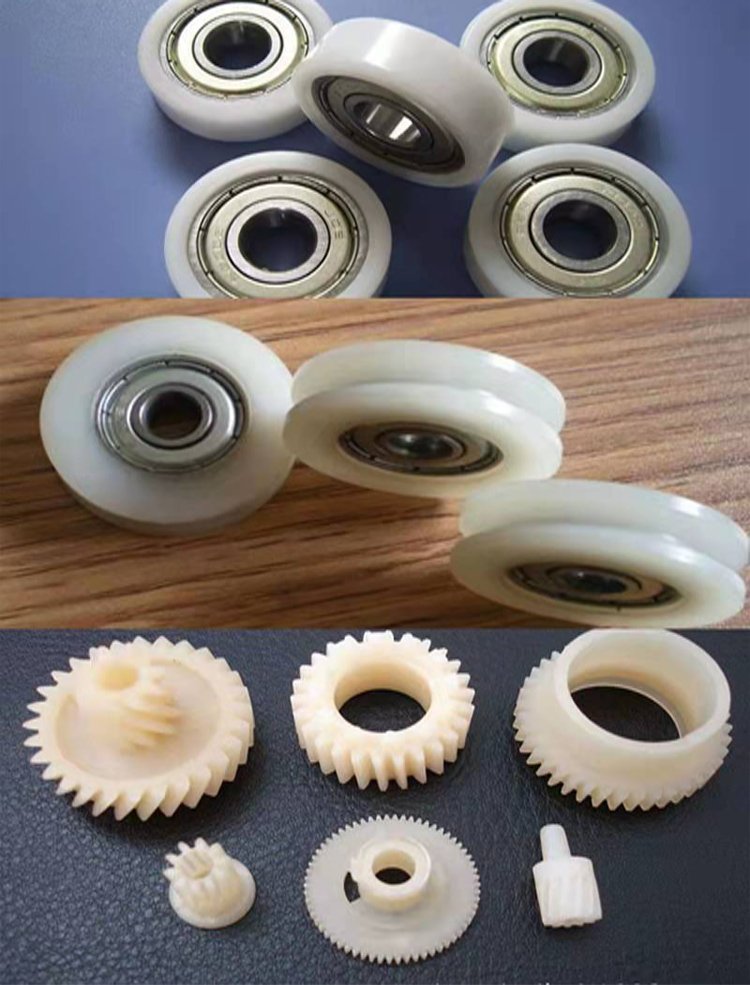
PAPolyamideNylon, Polyamide Fiber, PA, PA6, PA66
Nylon, also known as Polyamide (PA), is an important synthetic fiber and engineering plastic raw material. Common grades include PA6 and PA66. It features high strength, excellent wear resistance, good elasticity and chemical resistance, and is widely used in textile apparel, tire cords, industrial filter fabrics and engineering plastics.
OXo-Xylene
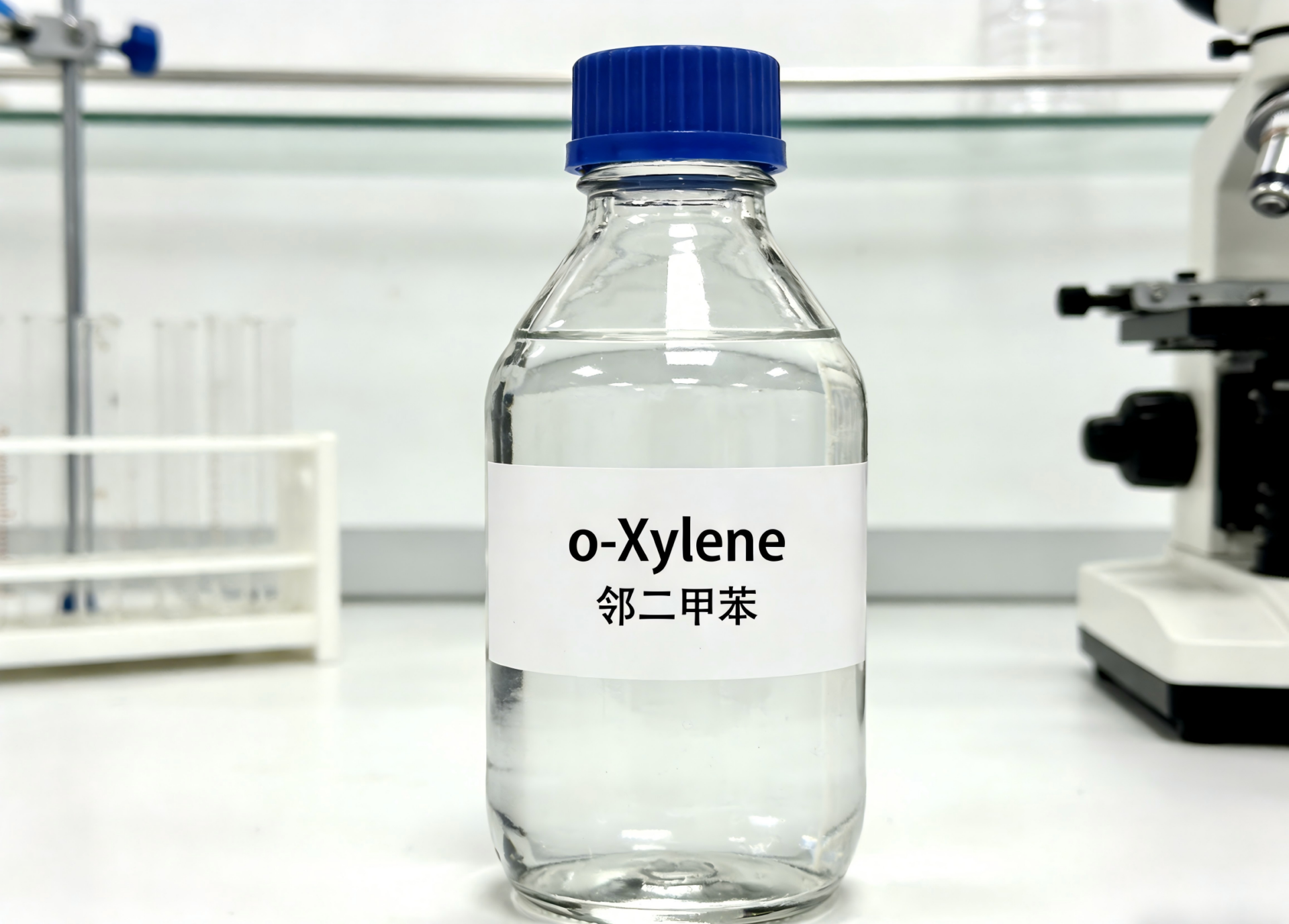
o-Xylene (also known as ortho-xylene or 1,2-dimethylbenzene) is an aromatic hydrocarbon with the molecular formula C₈H₁₀ (or C₆H₄(CH₃)₂) . It is one of the three isomers of xylene, the others being meta-xylene and para-xylene, with the mixture collectively referred to as xylenes . o-Xylene is characterized by two methyl groups attached to adjacent carbon atoms on a benzene ring, which is known as the ortho configuration.
Application of Fiber Industry Chain