
Plastics
Definition of Plastics

Classification of Plastics

PPPolypropylenePP,RAFFIA,FILM,INJECTION,BOPP
Polypropylene, or PP is a commonly used plastic known for its good mechanical properties and resistance to heat and chemicals. Due to its wide range of properties and ability to act as a plastic and fiber material, polypropylene is a versatile material that is seen in a wide range of applications, including household and industrial products. This nonhygroscopic, opaque, semicrystalline material is easy to process and can be used in injection molding, blow molding, extrusion and thermoforming.
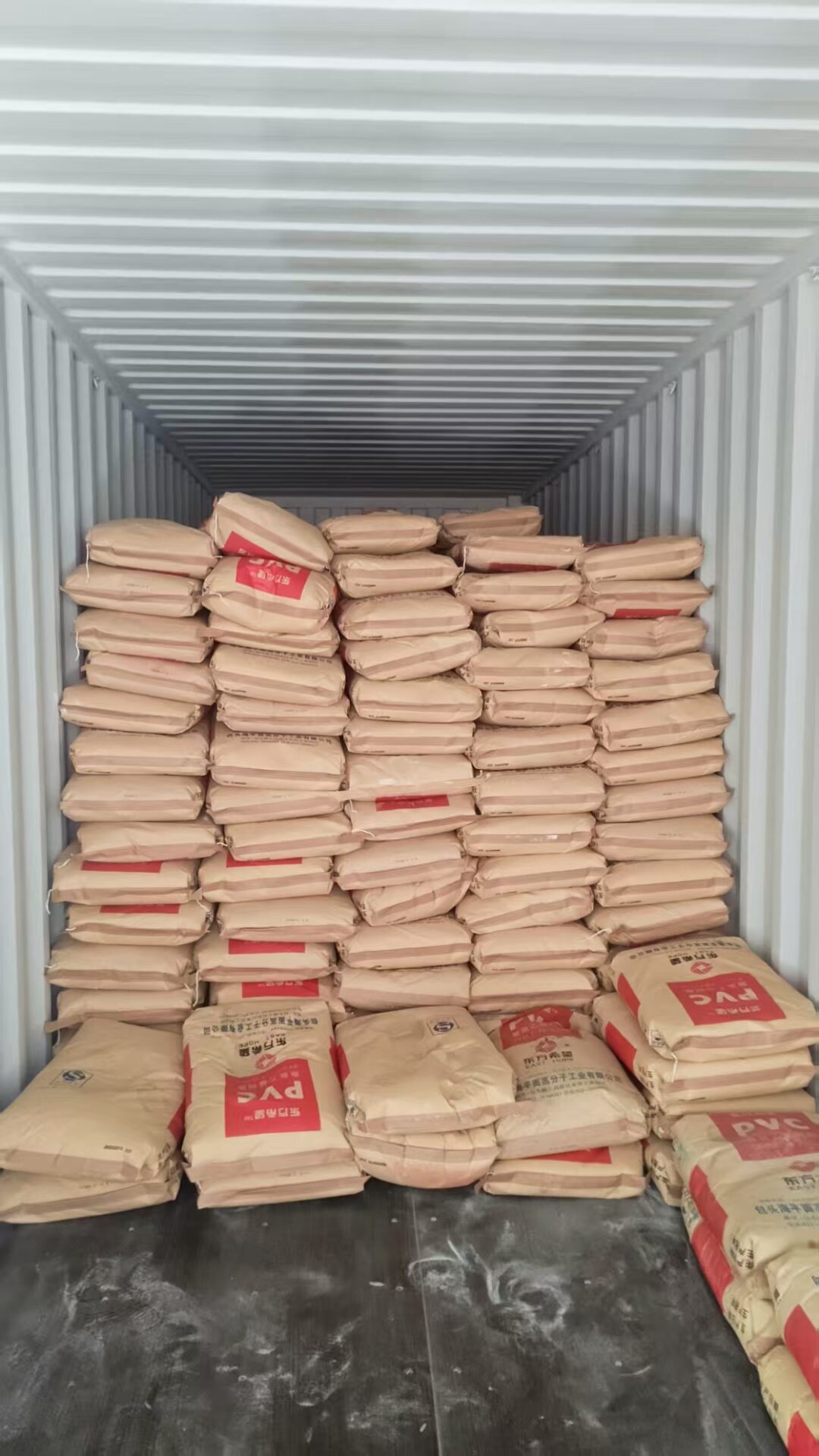
PVCPolyvinyl ChloridePVC, PVC RESIN, HS 1000R,SG-5
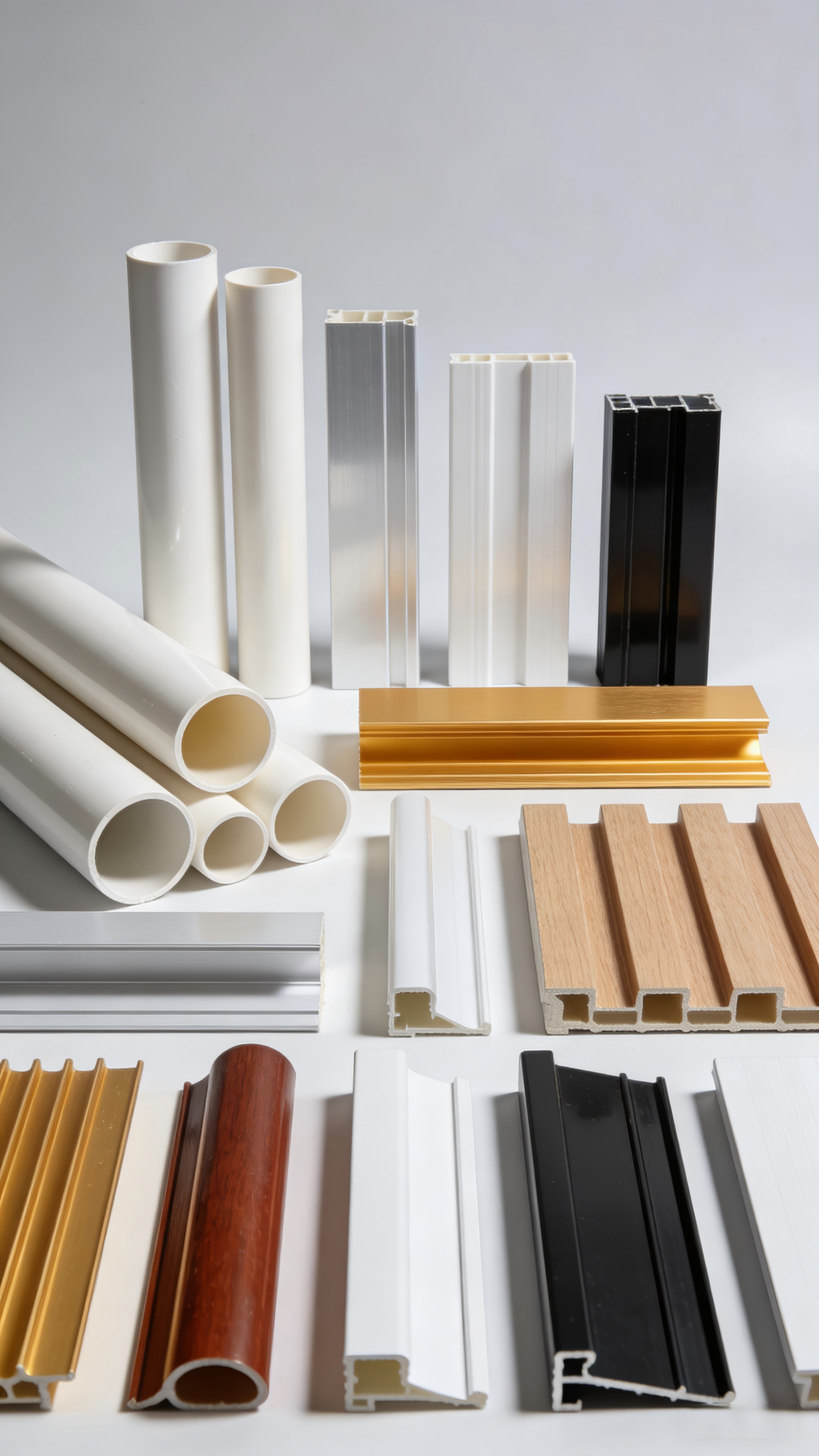
Polyvinyl Chloride (PVC) is one of the most widely used polymers in the world. Due to its versatile nature, PVC is used extensively across a broad range of industrial, technical and everyday applications including widespread use in building, transport, packaging, electrical/electronic and healthcare applications.
ABSAcrylonitrile Butadiene StyreneGeneral Purpose ABS, Heat Resistant ABS, Plating Grade ABS, Flame Retardant ABS, Sheet Grade ABS, Pipe Grade ABS, ABS Resin, ABS Plastic
ABS resin is one of the five major synthetic resins.
Performance: Excellent impact resistance, heat resistance, low-temperature resistance, chemical resistance and electrical properties.
Applications: Widely used in machinery, automotive, electronics, construction and other industrial fields.
PCPolycarbonatePolycarbonate, PC, General Purpose, Flame Retardant, Optical Grade
Polycarbonate (PC), commonly known as bulletproof adhesive, is one of the five major engineering plastics. It features high impact resistance, high rigidity, excellent electrical insulation and optical properties, and can also be blended with ABS, PBT, PET, etc. to produce PC alloys with complementary performance. It is widely used in electronic appliances, automotive manufacturing, optical instruments, building panels, medical equipment and other fields.
PSPolystyrenePolystyrene Resin,Polystyrol,General Purpose PS
Polystyrene (PS) is a synthetic thermoplastic polymer produced from the styrene monomer. Known for its clarity, rigidity, and excellent electrical insulation properties, it is one of the most widely used plastics. PS is a solid at room temperature but flows when heated, allowing for easy processing through injection molding, extrusion, and thermoforming.
EVAEthylene Vinyl Acetate CopolymerEVA, EVA Resin, Ethylene Vinyl Acetate Copolymer, Photovoltaic EVA, Foamed EVA, Cable EVA, Hot Melt Adhesive EVA
EVA Resin is a thermoplastic resin polymerized from ethylene and vinyl acetate through high-pressure bulk polymerization, and it is the fourth largest ethylene series polymer. Its performance is determined by vinyl acetate (VA) content and melt flow rate. Different VA contents correspond to different application scenarios: low content is suitable for films and injection molding, medium content for foamed shoe materials and cable insulation, and high content for hot melt adhesives and elastomers. It is mainly applied in photovoltaic film, foamed shoe materials, wires and cables, hot melt adhesives, agricultural films and other fields, with photovoltaic grade being the most important application category at present.
PEPolyethylenePE,HDPE,LDPE,LLDPE
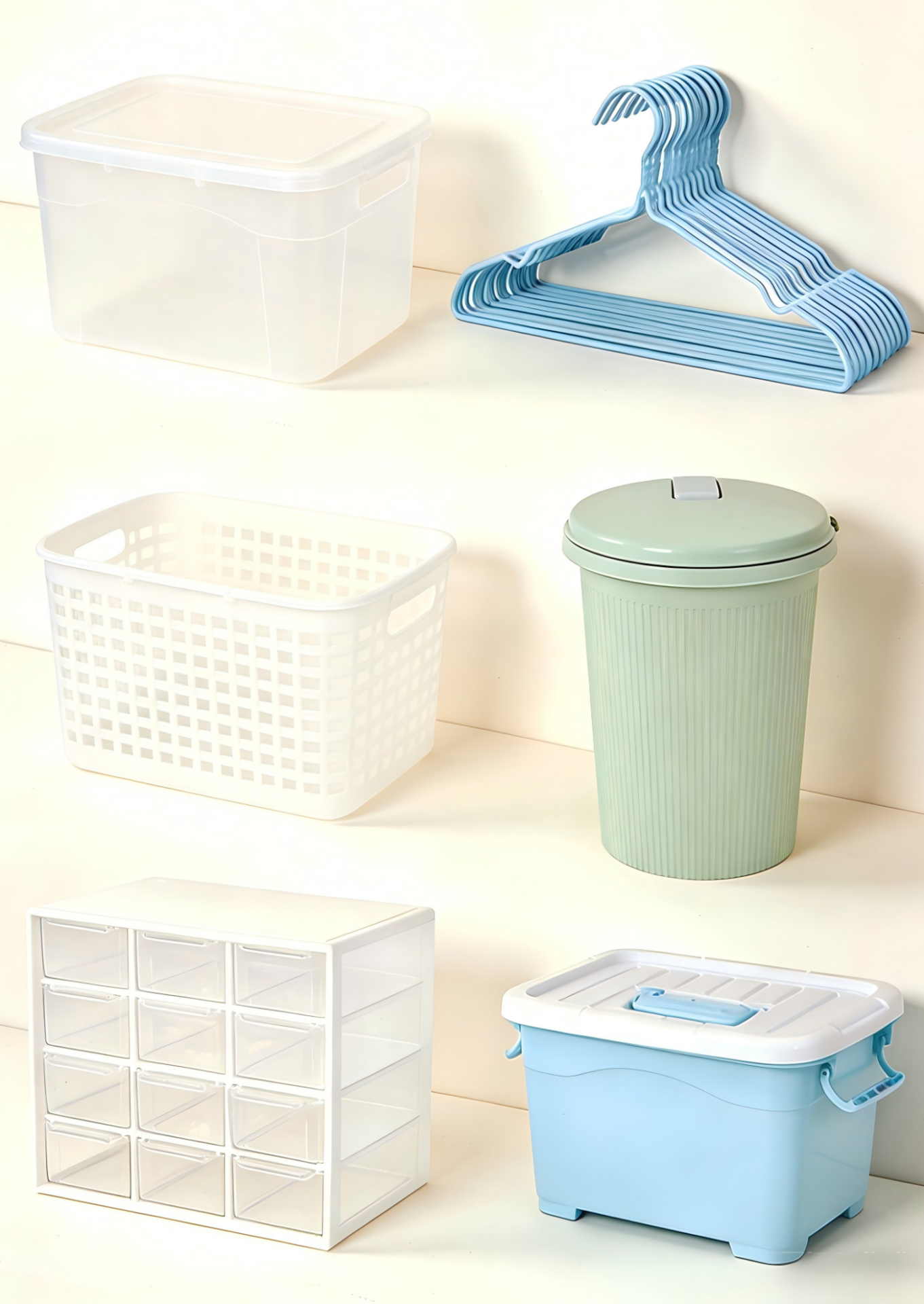
Polyethylene is the most commonly used plastic in the world, and it has many variants, including HDPE, LLDPE, and LDPE resins. In each category, there are several products offering different properties, which allows for a wide range of uses such as packaging, plastic parts for industry, appliances, furniture, labels, films, stretch wraps, reusable containers, and medical devices.
POMPolyformaldehydePolyformaldehyde, POM, Polyoxymethylene, Acetal Resin, Metal Plastic
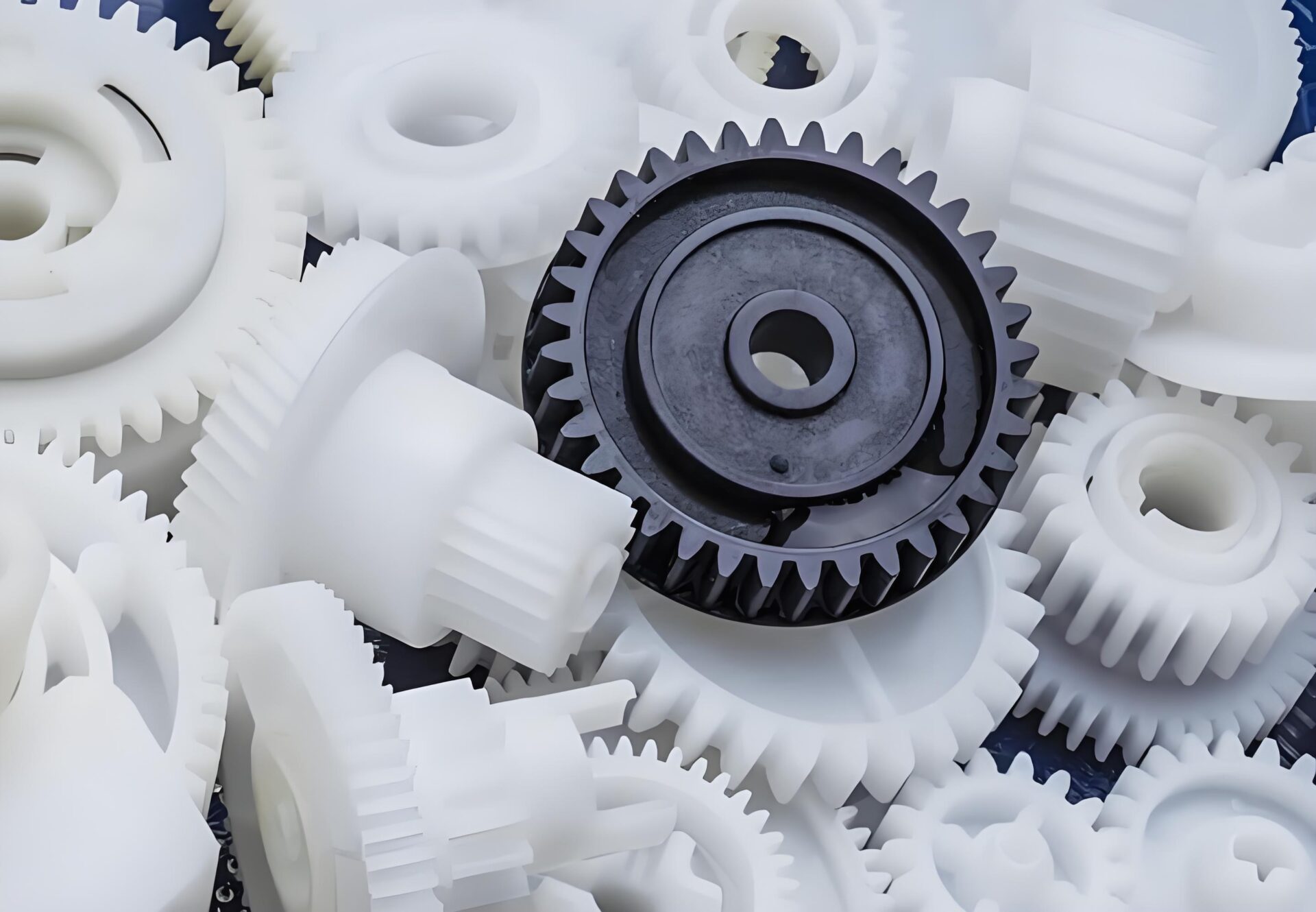
Polyformaldehyde (POM), commonly known as Acetal Resin, is called “metal plastic” and belongs to engineering plastics. It has a regular molecular structure and is divided into homopolymer and copolymer types. Featuring high rigidity and hardness, low friction coefficient, excellent wear resistance and dimensional stability, it can replace non-ferrous metals such as copper and aluminum, and is widely used in electronic and electrical appliances, auto parts, mechanical parts, daily consumer goods and other fields.
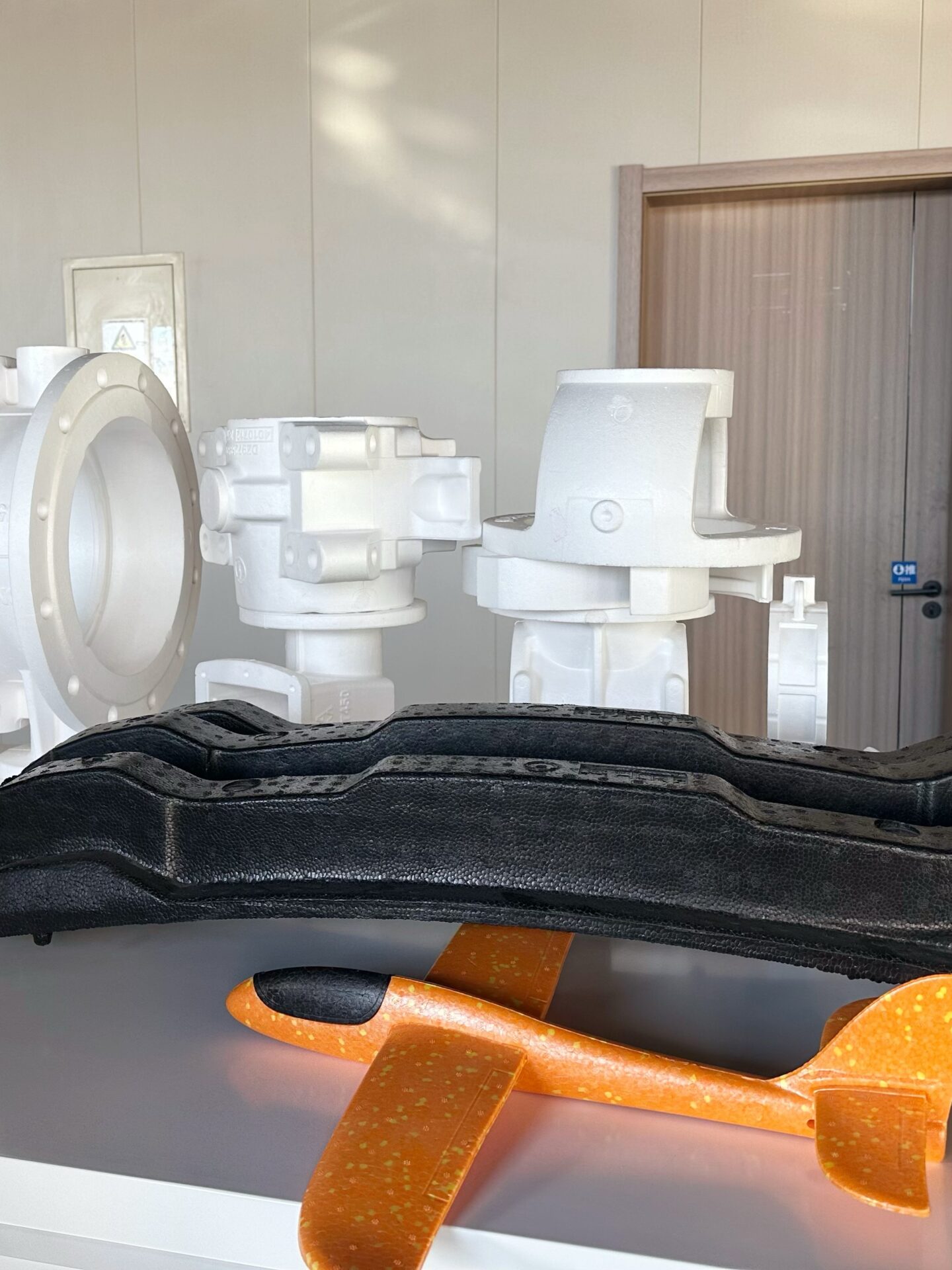
EPSExpandable Polystyrene FoamEPS, Expandable Polystyrene Foam, Polystyrene Foam, Foam Plastic, Insulation Material, Packaging Material, Expanded Polystyrene
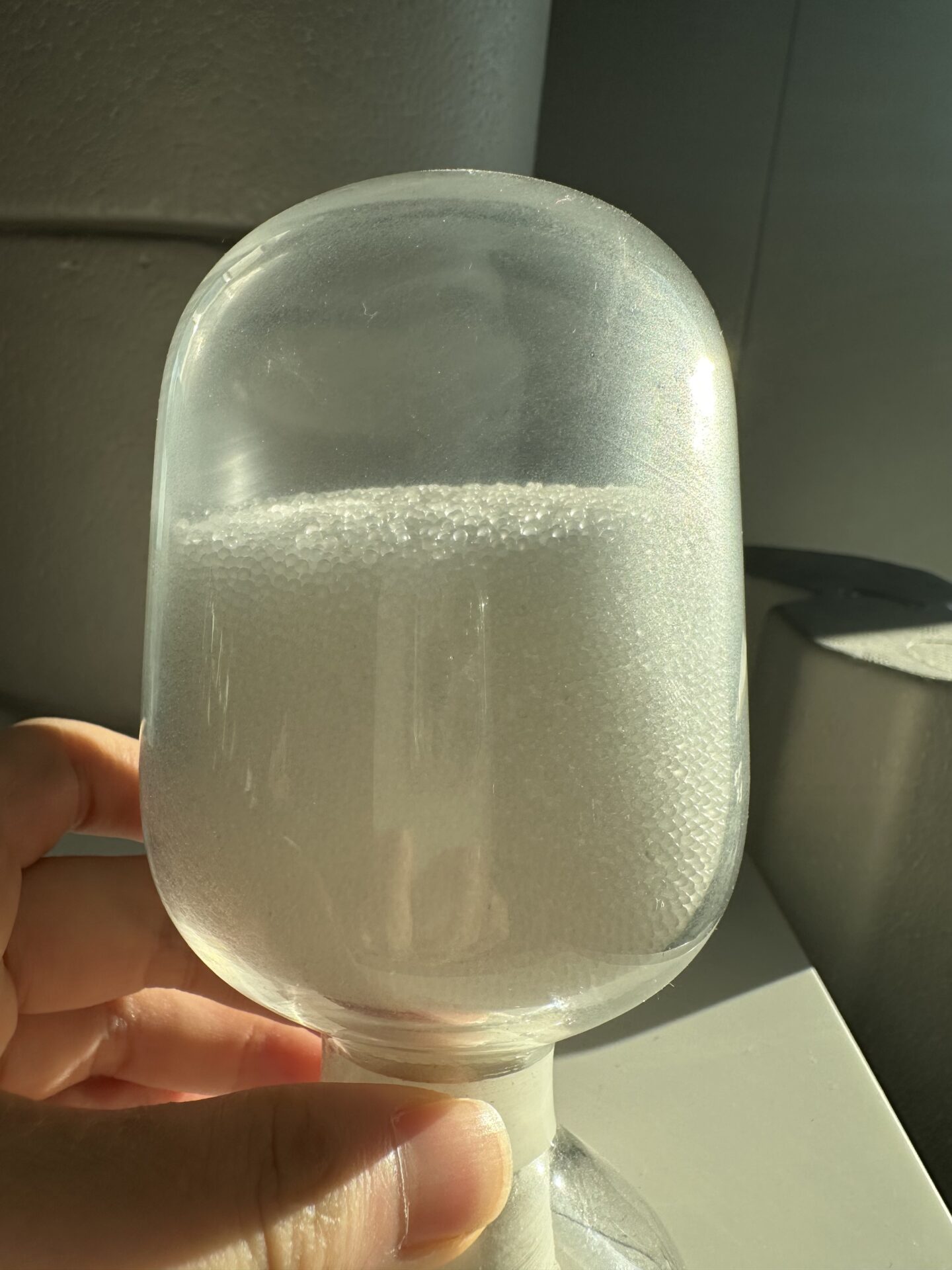
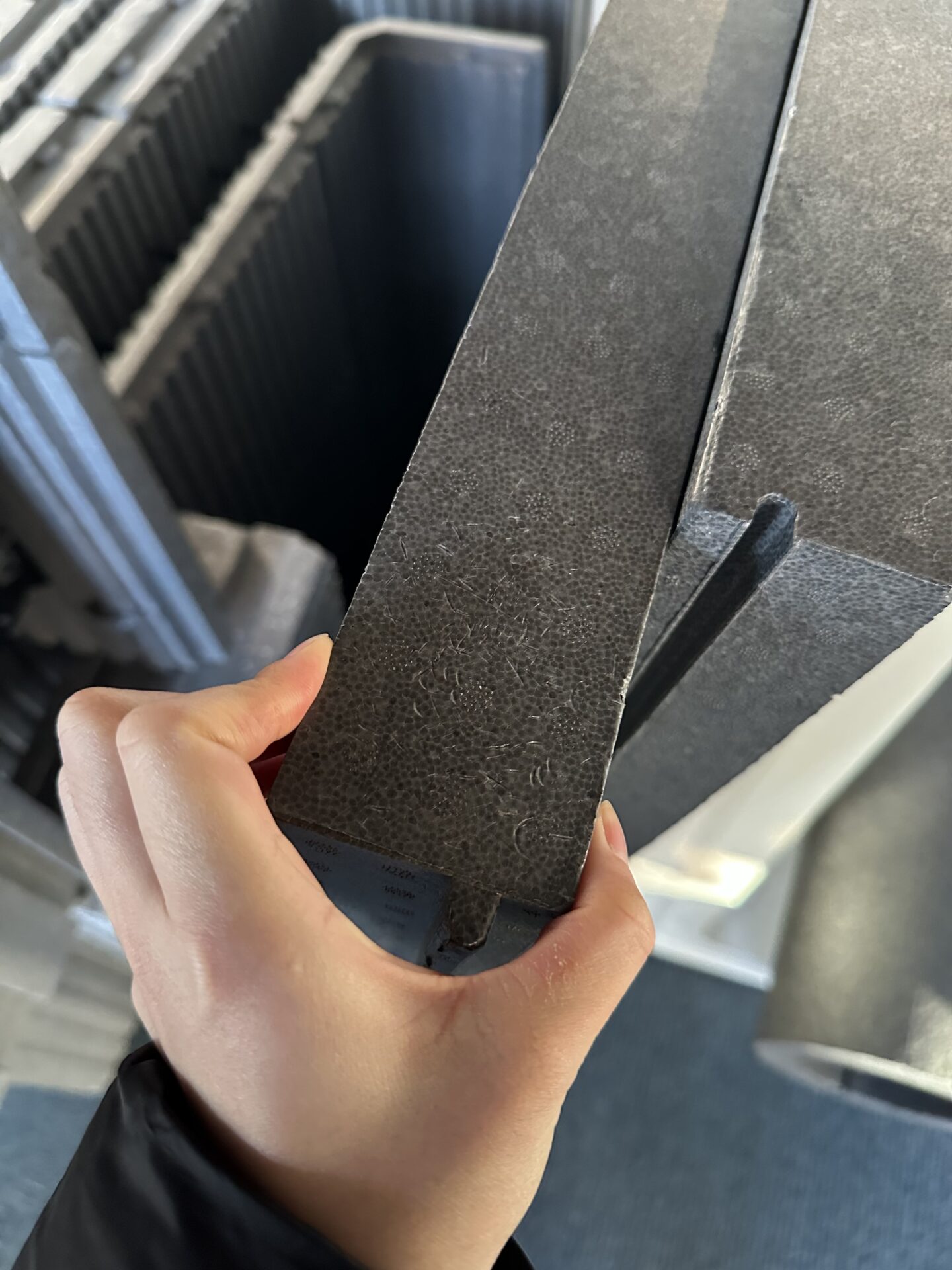
Expandable Polystyrene Foam (EPS) is a lightweight foam plastic with thermal insulation, shock absorption, light weight and easy forming, mainly used as insulation and packaging material.
PMMAPolymethyl MethacrylatePMMA, Polymethyl Methacrylate, Acrylic Glass, Acrylic, Acrylic Resin, Polyacrylic Plastic, Optical Grade
Polymethyl Methacrylate (PMMA), commonly known as Acrylic Glass or Acrylic, is the most widely used in acrylic resins and is a variety with excellent performance and moderate price among synthetic transparent materials to date.
Application of Plastics